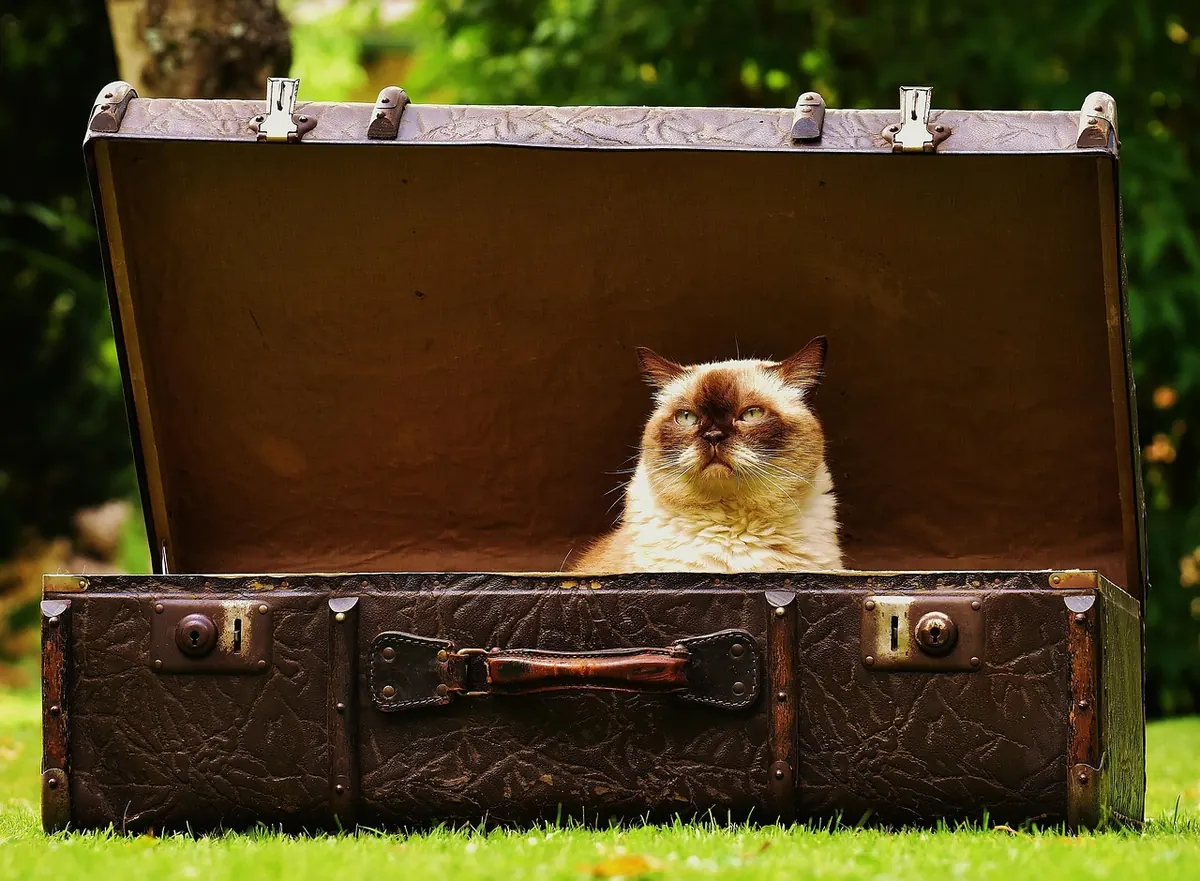
A holiday book has a harder job than a book at home. It has to survive a suitcase, a beach bag, a sun lounger and possibly a splash of sea. It has to be good enough to hold your attention when you are tired, and light enough that you do not resent carrying it through a departures lounge at half past six in the morning. Get the choice and the packing right, and reading becomes one of the real pleasures of a trip rather than an optimistic pile you haul there and back unopened.
Pick paperbacks that earn their luggage space
A hardback of five hundred pages weighs about as much as a pair of walking shoes and takes up the room of three paperbacks. Unless it is the only book you are taking, leave it at home.
Think about weight as well as length
Two paperbacks of the same page count can feel very different in the hand. Thick, creamy paper stock bulks a book out; a tightly set edition on thinner paper will slip into a coat pocket. If you are travelling with hand luggage only, that difference matters more than the cover design. Check the physical dimensions as well as the page count before you buy.
Build a small range, not a stack of the same thing
Three books is a sensible number for a week, four if you read quickly and have long journeys ahead. What matters is variety:
- One long novel for the evenings when you have hours rather than minutes.
- One short novel or novella — Claire Keegan's Small Things Like These or Penelope Fitzgerald's Offshore will fit in a day bag and can be finished in two sittings.
- One book of essays or short stories to dip into in queues and waiting rooms.
- One slim volume of poetry, which is the lightest reading there is and rewards a ten-minute sit.
Avoid taking two books that do the same job. If both are dense family sagas set in the same century, the second will sit unread.
Keep them dry, flat and sand-free
Books get damaged in predictable ways, and most of it can be prevented with things you already own.
In the suitcase
Pack books flat rather than on their spines, and put them in the middle of the case with clothes above and below. Clothes cushion; the solid base of a suitcase does not. Slide each one into a zip bag if you are going somewhere humid, or wrap them in a cotton scarf or T-shirt. A fabric book sleeve, or a padded envelope cut to size, does the same job and weighs almost nothing.
On the beach and by the pool
Sand works its way into the spine and never really comes out. Salt water swells the pages and stains them. Keep your book in a closed tote while you are swimming, and never leave it face down and open to hold your place — that cracks the spine and loosens pages. Hours of direct sun will soften the glue in a cheap binding and warp the boards, so a shaded spot is kinder. A pencil or a proper bookmark beats a train ticket, though a folded corner in your own book is nobody's business but yours.
What to put in the bag
- Your three or four chosen books, packed flat
- One cotton tote for beach and pool days
- Two zip bags — one for the book you are reading, one spare
- A bookmark that will not fall out, plus a spare
- A small notebook for titles you hear about, lines you want to keep and the name of the bookshop you must return to
- A lightweight reading light, if the person beside you sleeps earlier than you do
Plan the reading time, not just the reading list
Most people assume they will read on holiday, then discover they have got through forty pages by the final morning. The time is there; it simply needs claiming.
Airports and flights are the obvious slot, but be realistic about them. Two hours of a four-hour flight is a good result once boarding and the trolley have had their say. Trains are better: a quiet coach, a window seat and a long stretch of countryside is the finest reading environment these islands offer. If you are driving, an audiobook of the same title carries the story from the car to the sun lounger, though nothing quite replaces the printed page for a slow afternoon.
The underrated slots are the small ones. Twenty minutes before anyone else is up. The hour after lunch when the heat makes anything else unappealing. The wait for a table. Reading in ten-minute bursts does not feel like a holiday activity, but it is how most books actually get finished.
When you finish a book
Do not carry finished books home out of habit. Many hotels and hostels keep a swap shelf, and a decent paperback left there will be read by someone else within the week. Charity shops in holiday towns are usually glad of clean, dry donations, though it is worth asking first. Some readers like to write the date and place inside the cover before passing a book on; it gives the next person a small thread to pull.
It is also worth buying at least one book where you are. A novel set in the county you are walking through, or a local history picked up in a town bookshop, becomes the souvenir you will actually keep. Leave a gap in the case for it.
Before you zip the case
Weigh the bag once it is packed — books are the usual culprit when hand luggage creeps over the limit. Bag the paperbacks you are worried about, keep one demanding book at most, and put the book you are reading now in your hand luggage rather than the hold, so a delay at the gate becomes an hour of reading instead of an hour staring at the departure board.
Then choose the one you will start on the journey. The rest can wait until you are there.
Photo: Alexas_Fotos / Pixabay